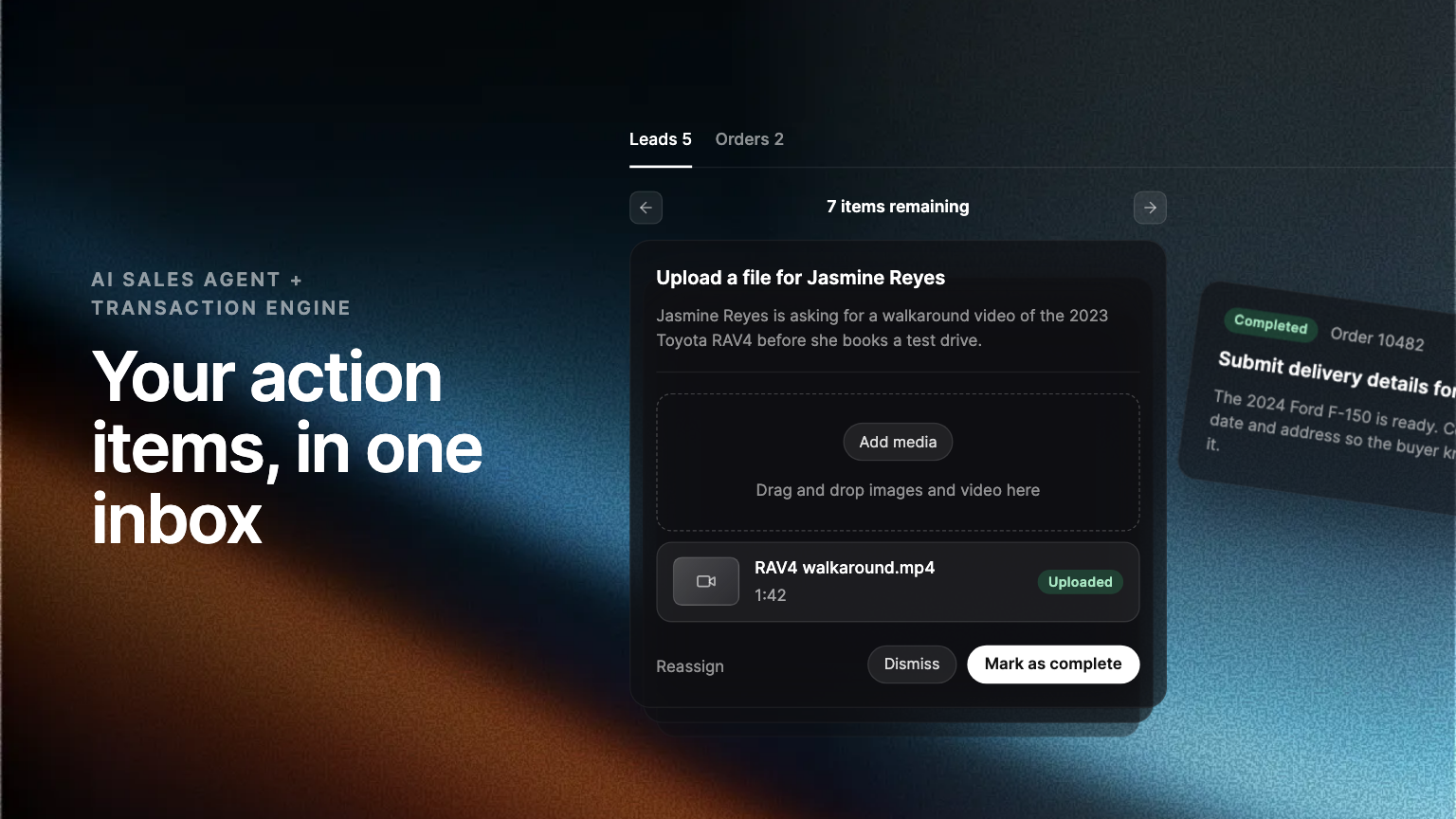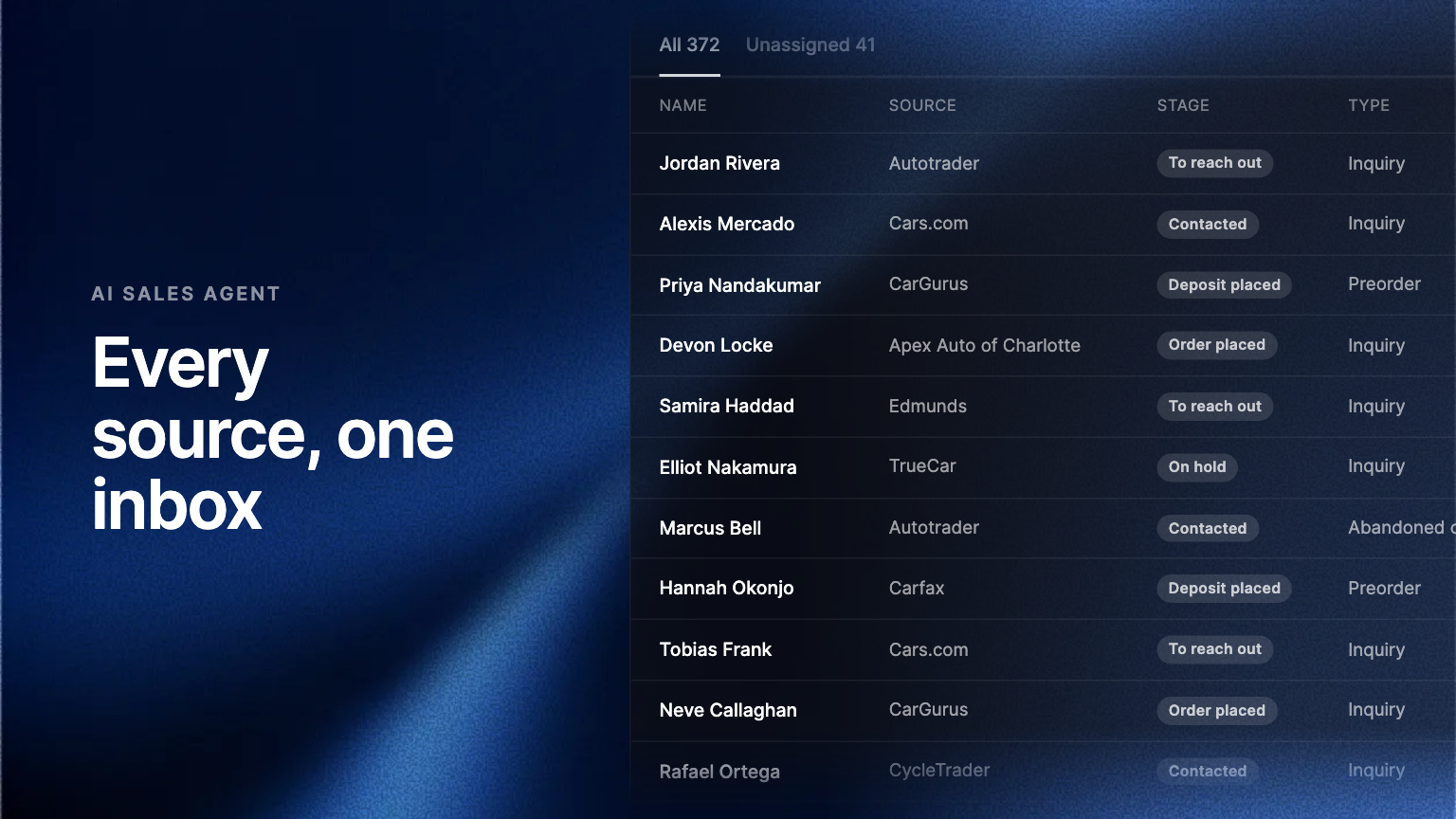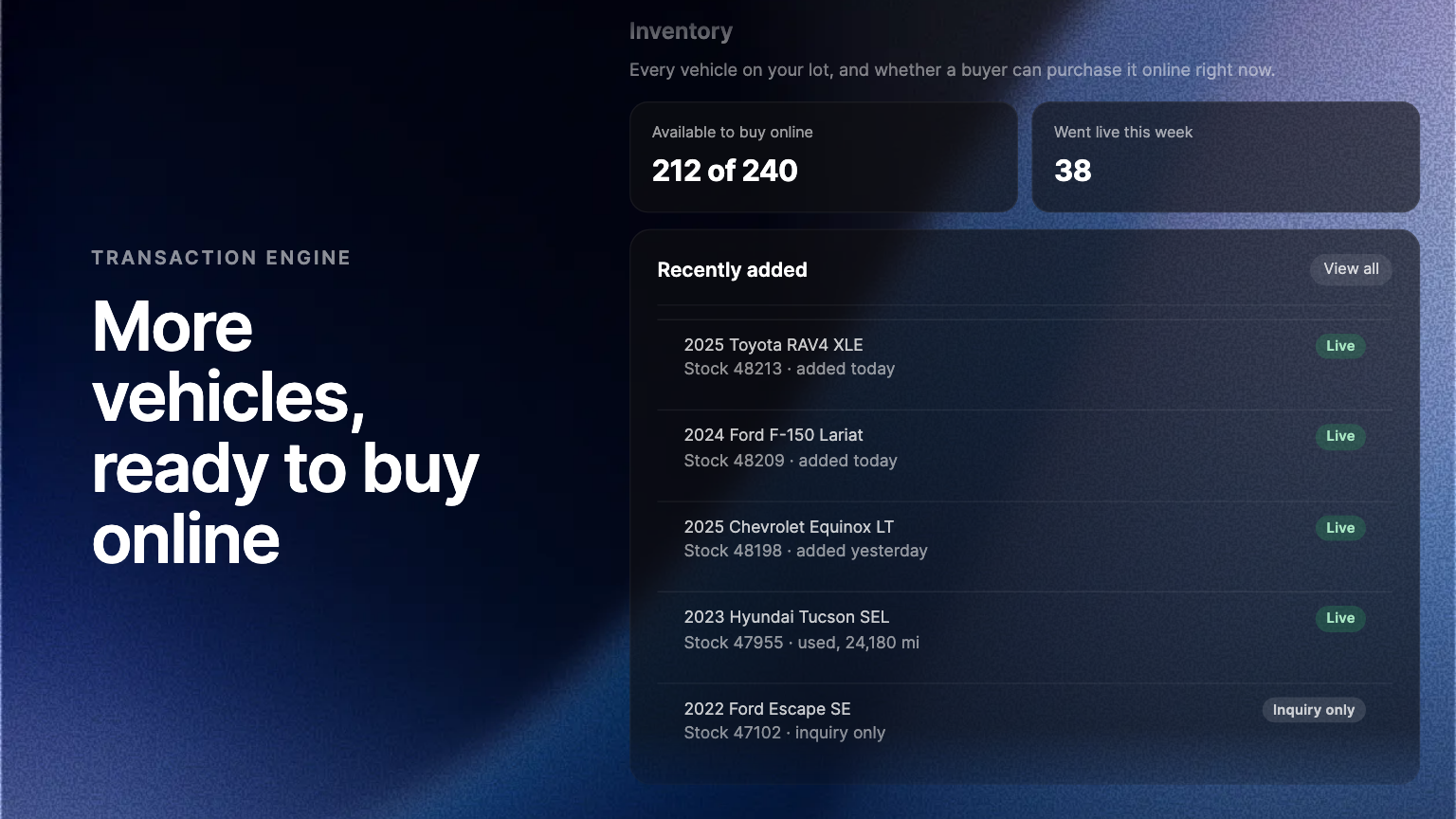
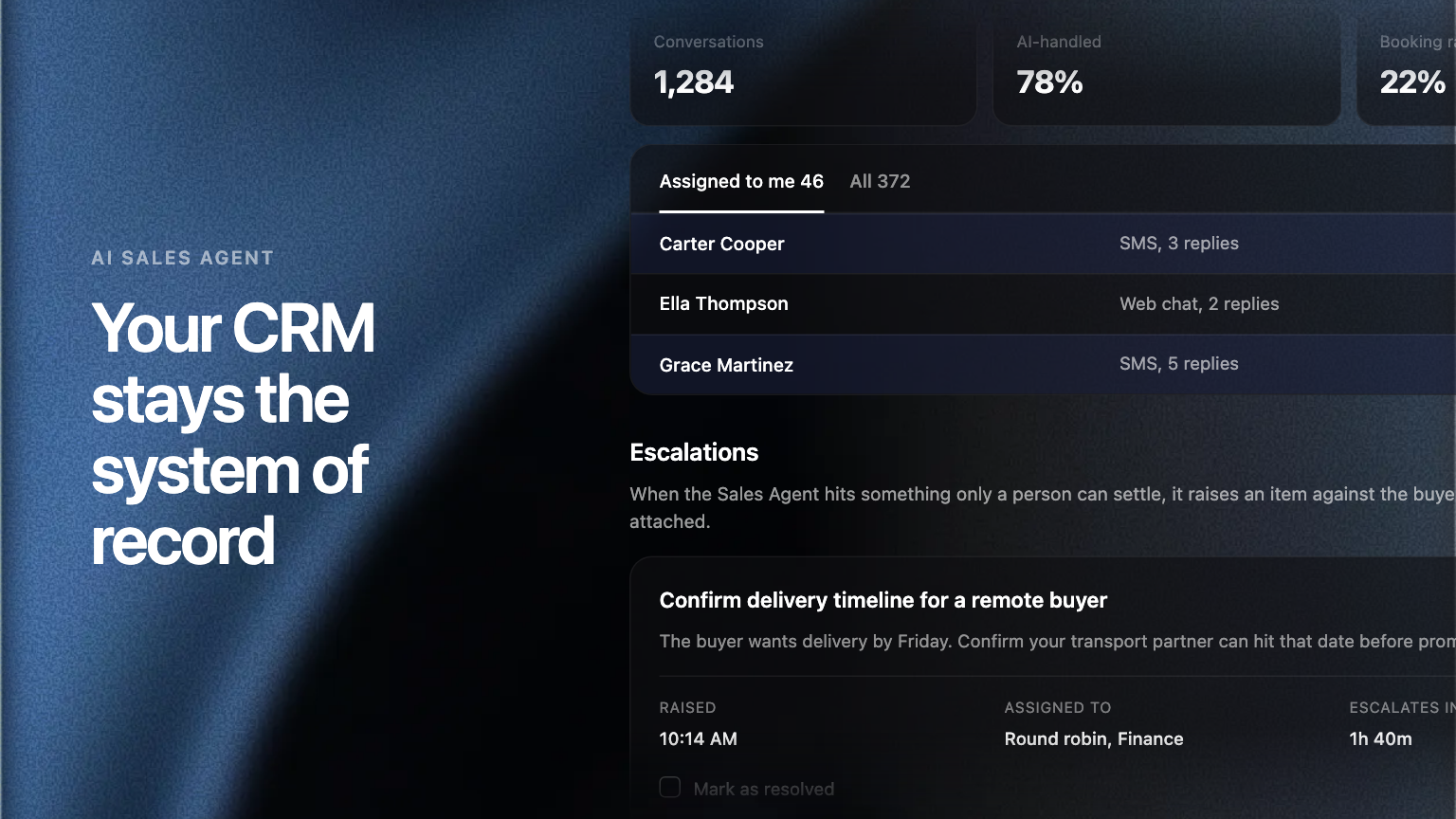
Two-way sync with Lightspeed CRM is live. Leads, customers and sales activity move in both directions, so the CRM remains the system of record and your team keeps working where it already works.
Rolling out now. This is built and running, and we are switching it on account by account rather than all at once. If it is not on yours yet, your Ekho contact can tell you when it lands.
A new tool that asks a sales team to abandon the CRM they already live in does not get adopted. It gets ignored, and the data ends up in two places that disagree.
So the sync goes both ways.
What moves
Leads, customers and sales activity now sync in both directions between Ekho and Lightspeed CRM. A lead the AI Sales Agent captures appears in the CRM. Work your team does in the CRM comes back the other way. Neither side is a dead end.
Your CRM stays the system of record
This is the point of the release. Ekho does not ask to become the place your team logs its work. The CRM keeps that job, and your reps keep working where they already work. What changes is that the conversations the AI Sales Agent has at eleven at night are in the CRM the next morning, attributed and complete, rather than sitting in a separate system somebody has to remember to check.
Why two-way matters more than it sounds
One-way sync creates a quiet reconciliation problem. A rep updates a customer in the CRM, the other system never hears about it, and within a month the two disagree about who owns the relationship. Two-way sync removes that, so there is one answer to who a customer is and what has happened with them.
Where to find it
The integration is available now. See the Lightspeed CRM integration page, or speak to your Ekho contact to switch it on for your group.
Frequently asked questions
No. The CRM stays the system of record. The sync keeps it complete, so your team carries on working where it already works.
Leads, customers and sales activity move in both directions, so an update made by a rep in the CRM is reflected rather than lost.